
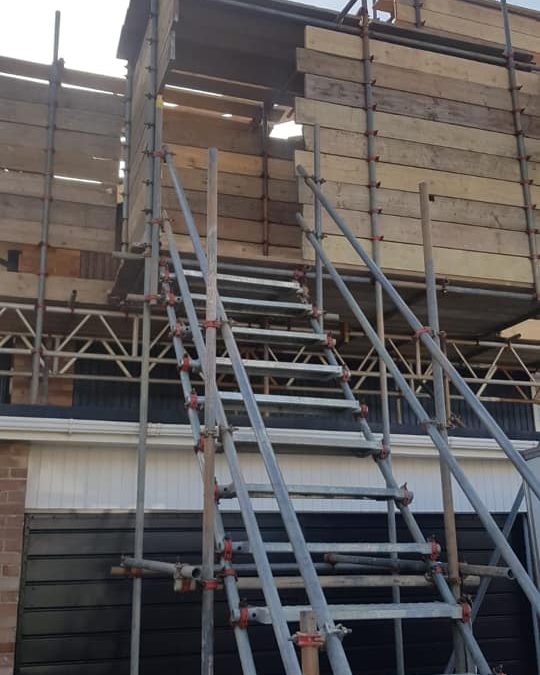
Working at height always carries risk. Falls remain a leading cause of serious workplace injuries. As a result, strict rules govern how people work above ground level. The Working at Height Regulations exist to reduce danger and protect lives. They shape how contractors plan access, manage risks, and choose equipment. These rules affect every site, from minor repairs to large builds.
For many projects, scaffolding in Canterbury plays a central role in meeting these legal duties while keeping work efficient. Many people misunderstand these regulations. Some assume they apply only to major construction sites. Others believe basic ladders meet legal standards. In reality, the law covers almost every task on the ground.
Knowing how scaffolding supports compliance helps property owners and contractors make informed decisions.
What the Working at Height Regulations Actually Require?
The Working at Height Regulations 2005 apply whenever work is carried out above ground level. They also apply below ground in certain situations. The law focuses on prevention first, not reaction. Duty holders must plan every task carefully. They must also select the safest access method. The key legal requirements are:
- Identifying all height-related risks before work begins
- Choosing equipment that prevents falls, not just limits injury
- Ensuring workers hold the right training and experience
- Providing supervision throughout the task
Why Scaffolding Supports Safer Compliance?
The regulations favour collective protection. This approach safeguards everyone on site, not just individuals. Scaffolding meets this principle better than most alternatives. It provides stable platforms and secure edge protection. Short-term solutions often increase risk. Complex or extended work needs stronger control. Here’s what scaffolding offers:
- Full working platforms with guardrails
- Safer movement for tools and materials
- Reduced reliance on harness systems
- Improved efficiency on longer projects
How Regulations Influence Scaffold Design and Setup?
Scaffold design must match site conditions and task demands. The regulations demand suitability, not convenience. Designers must consider height, load, and exposure.
Proper setup requires planning, and not guesswork. The regulatory considerations are:
- Guardrail height and toe board placement
- Secure access points and ladder positioning
- Platform width for task requirements
- Stability against wind and uneven ground
Scaffolding in Canterbury often accounts for weather exposure and restricted access zones.
Inspection and Ongoing Legal Responsibilities
Compliance does not end after installation. The law requires ongoing checks to maintain safety. Inspections prevent small issues from becoming serious hazards. A competent person must inspect scaffolding regularly. Inspections must also be conducted following changes or extreme weather. The essential legal inspection duties are:
- Checks before first use
- Weekly formal inspections
- Additional checks after alterations
- Immediate reviews after storms
Common Mistakes That Increase Risk
Many incidents result from avoidable decisions. Poor planning often leads to unsafe access choices. Shortcuts rarely save time in the long term. The frequent compliance errors include:
- Using ladders for extended tasks
- Ignoring changing site conditions
- Allowing untrained workers to modify scaffolds
- Skipping documented risk assessments
Working at height regulations shape modern site safety. They promote planning, prevention, and responsible access choices. For projects requiring reliable access, scaffolding in Canterbury supports safer outcomes and legal confidence. For professional guidance and compliant solutions, Island Scaffolding offers experienced support tailored to local site conditions. Contact us now.